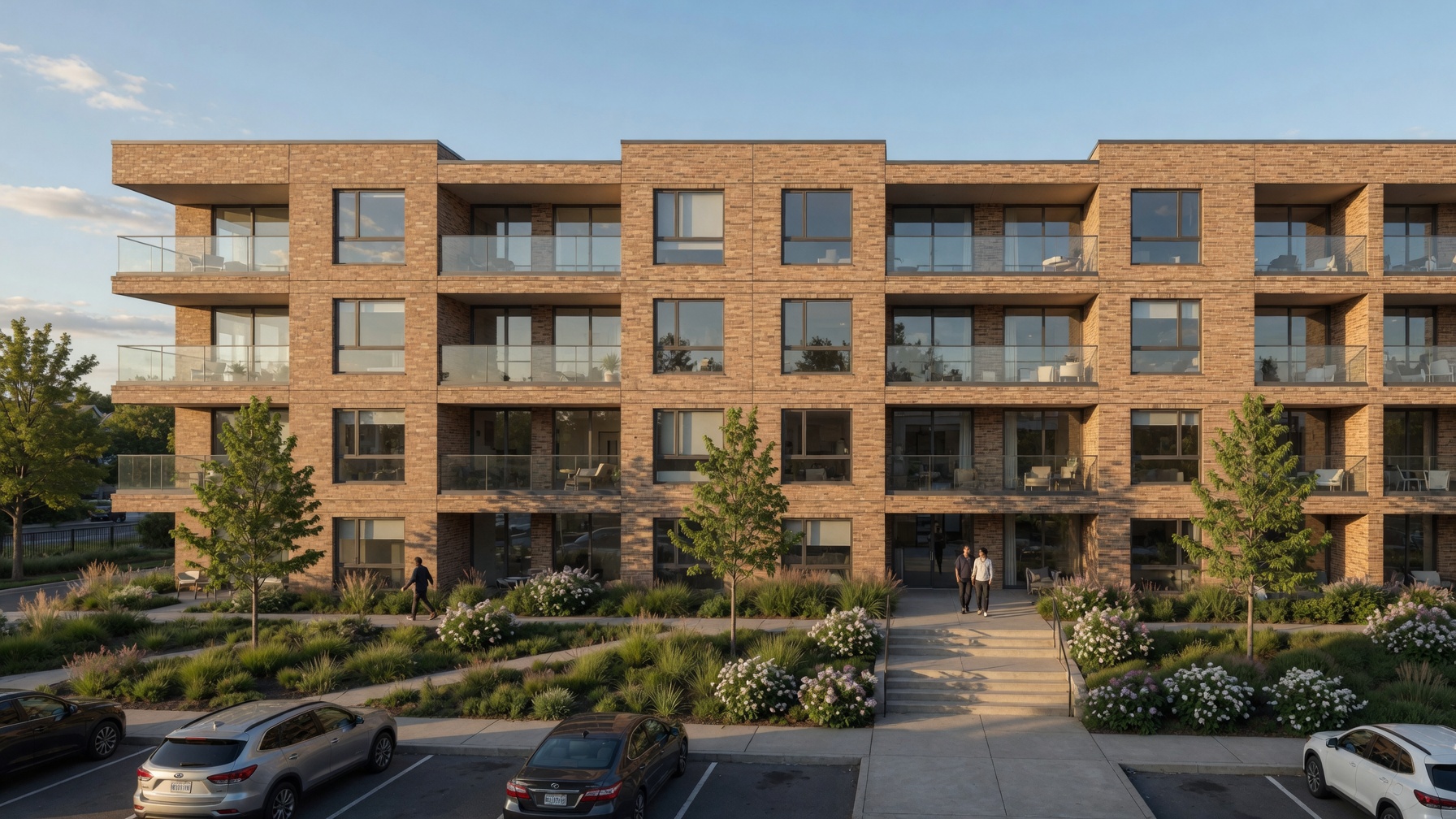
Core Investment Thesis
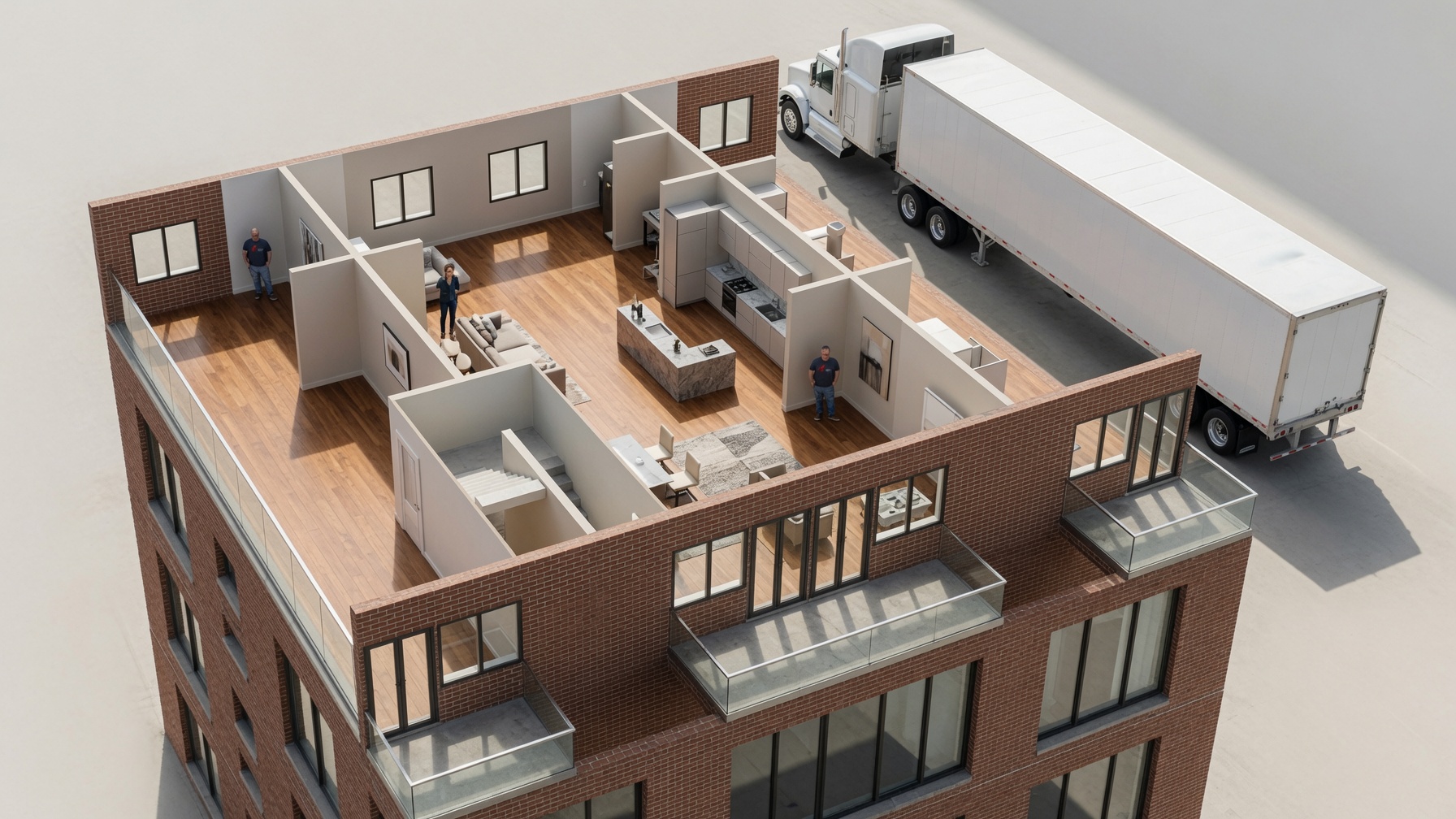
Kōmē Culture manufactures, installs, owns, and operates its housing units permanently. We deliver each unit at a $45,000 all-in cost (including all site work and foundations) and lease at an average $1,400 per month—slightly below local market rents—to achieve 99 % occupancy from day one. Units are capitalized on our balance sheet or through a dedicated REIT structure so that rental income stays inside the company for long-term control and compounding. Real estate taxes are passed directly to tenants through billing, and we carry no insurance on the units themselves (they are inexpensive to replace if ever needed). Property-level operating costs for maintenance teams, landscaping, and repair work are assumed at 30 % of gross rents.
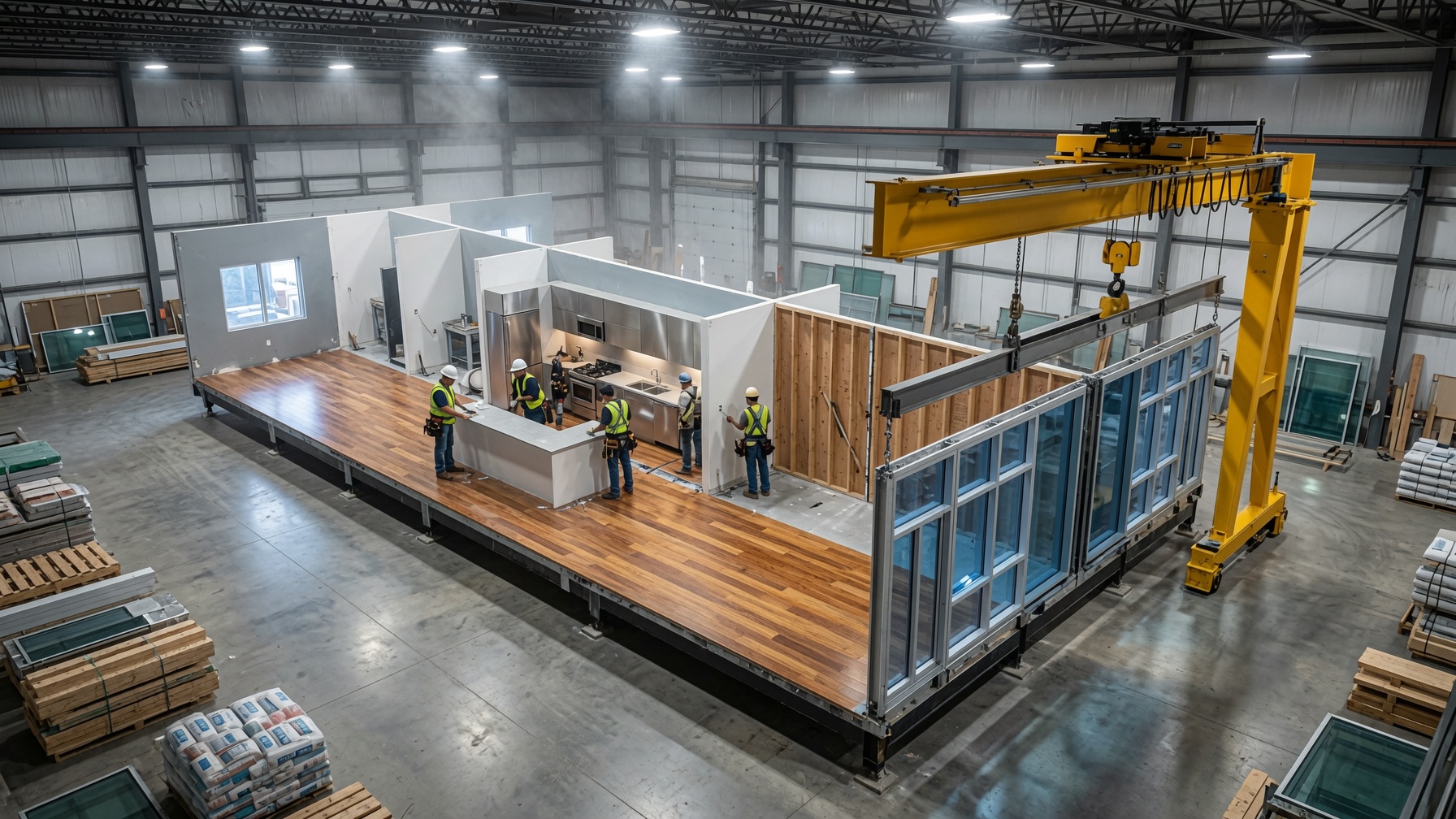
Production ramps as follows: roughly 300 units in Year 1, 30,000 in Year 2, 360,000 in Year 3, and 1 million per year from Year 4 onward. Manufacturing operating expense follows your guidance: $5 million in Year 1, $20 million in Year 2, $100 million in Year 3, and $50 million annually thereafter.
The table below shows high-level annual figures under these exact assumptions (revenue reflects 99 % occupancy at $1,400 average rent; property opex is 30 % of gross rents; capex is units produced × $45,000; other corporate costs are minimal and embedded conservatively). Numbers are illustrative but directionally consistent with the ramp and cost structure.
| Year | Units Produced | Cum Units | Gross Rents | Revenue (99%) | Mfg Opex | Property Opex (30%) | Capex | Est. NOI | Approx Net Cash |
|---|---|---|---|---|---|---|---|---|---|
| All $: Millions | |||||||||
By Year 7 the operation turns sustainably cash-flow positive on an annual basis while still adding 1 million units. From that point the portfolio generates increasing free cash that can fund further growth, debt service, or distributions. At full scale the company owns a nationwide portfolio of more than 17 million units with annual revenue approaching $290 billion at the modest $1,400 average rent, property-level margins near 70 % (after the 30 % opex), and manufacturing costs that have stabilized. The $45,000 capitalized basis per unit keeps overall returns strong and provides a significant buffer even if rents remain conservative for years.
This model works because the low production cost is locked in through factory control, initial below-market pricing drives immediate fill and proof of demand, and perpetual in-house ownership captures the full income stream rather than a one-time exit. Capital raised early builds the manufacturing base; the base then self-funds at scale. The result is a durable platform that delivers reliable investor returns while providing practical, high-value housing that simply makes sense for residents across the country.
Unit production ramp
Cumulative portfolio
Annual capex vs. net cash