Kōmē Manufacturing · The Kōmē System · Kōmē Residences

Kōmē (κώμη) — from ancient Greek, meaning village. The root of community. We build human-scale neighborhoods designed for belonging, not just buildings.

Housing that ships flat,
deploys on-site, and lasts.

Kōmē is a vertically integrated construction and management company building high-desirability, low-cost multifamily and single-family units through Kōmē Manufacturing — factory-prefabricated, relocatable modules designed for perpetual ownership and operation under Kōmē Residences.

Days Not months on-site
DLT/CLT Mass timber structure
50 ft Standard trailer modules

Urban transformation

From vacant parcel to living community

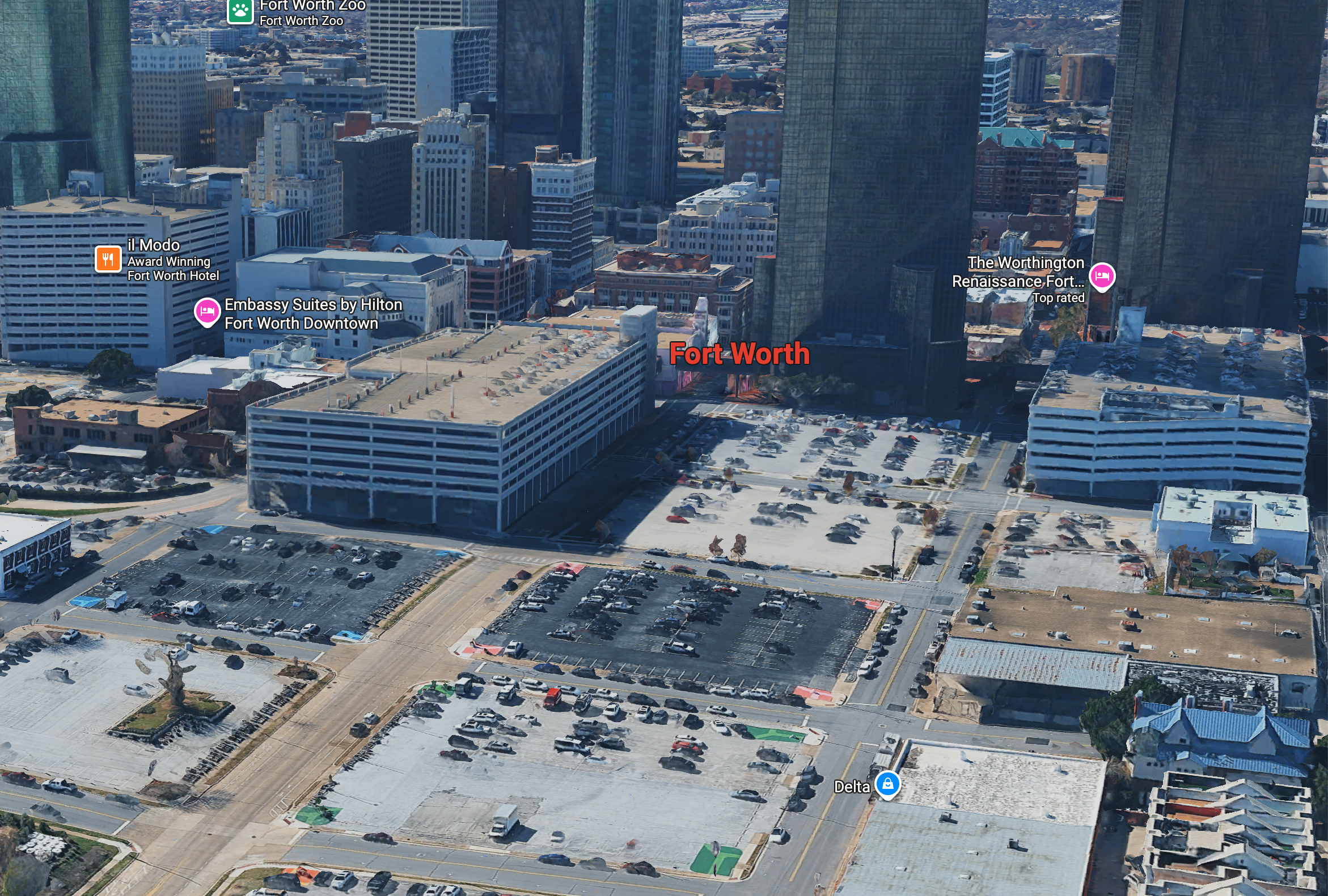
Relocatable modules unlock sites traditional developers won't touch — activating underused downtown land without permanent commitment.

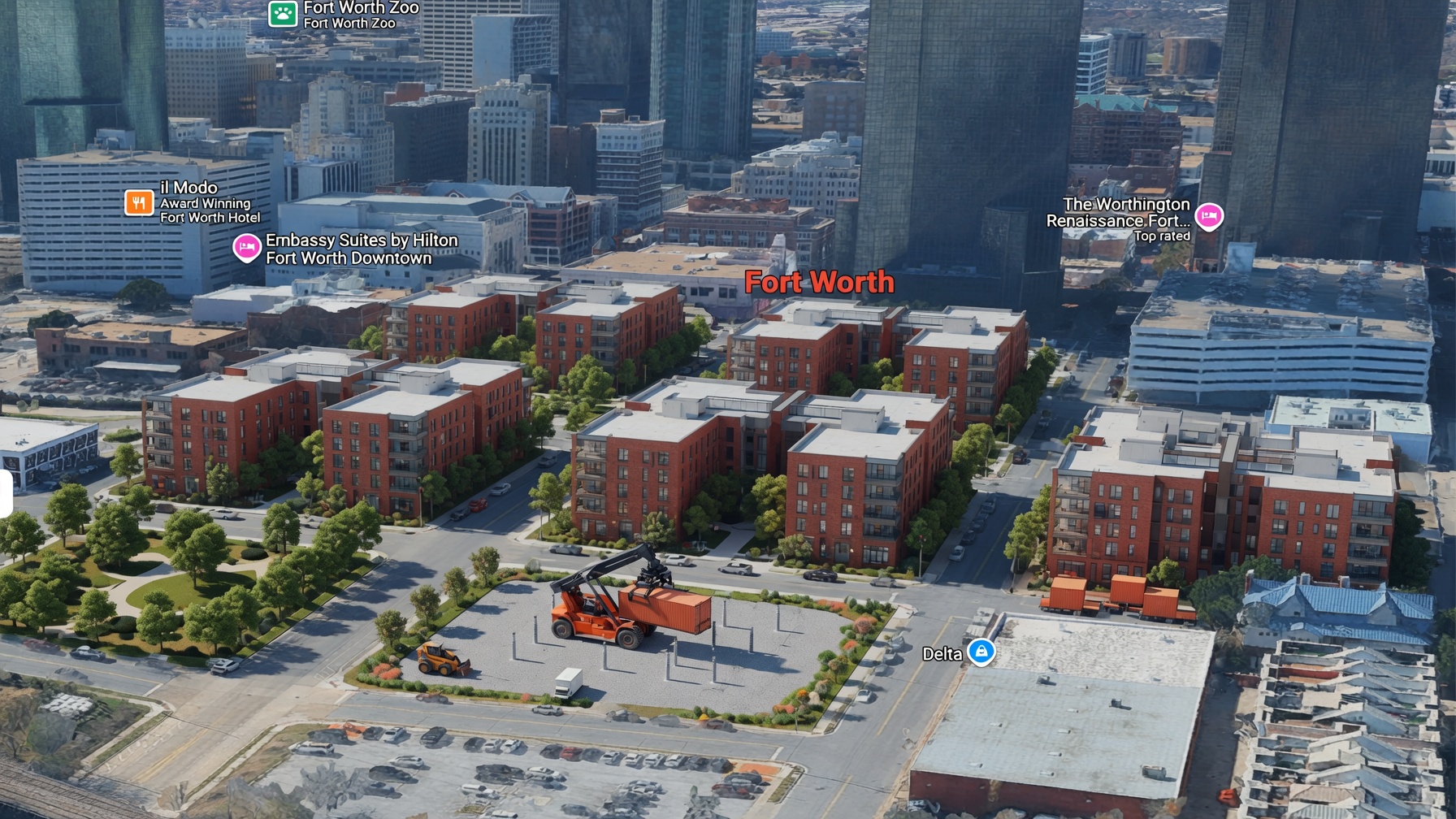
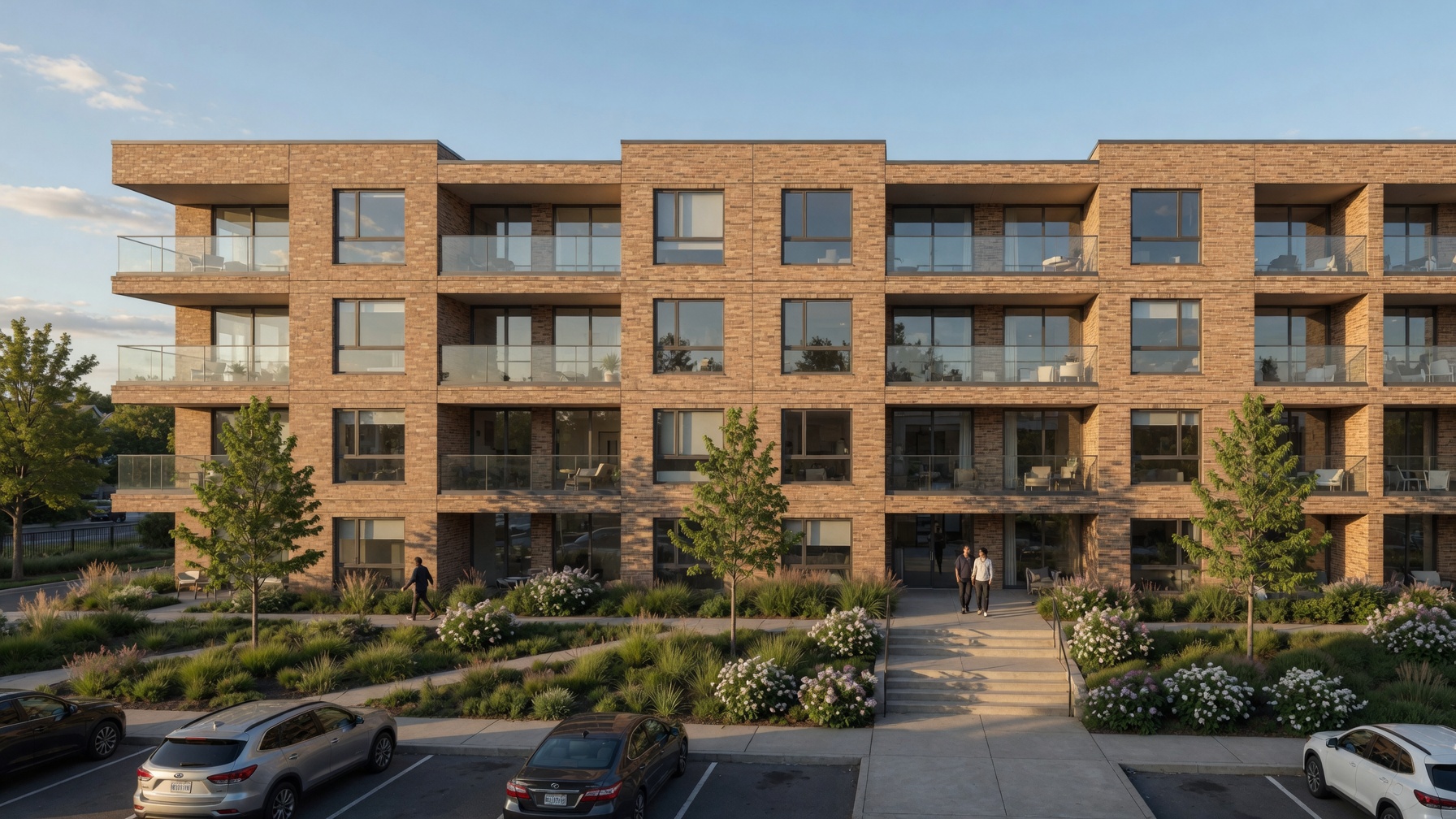
Downtown Fort Worth after Kōmē deployment
Downtown Fort Worth before development
Before After

Downtown Fort Worth — drag the slider to compare

Flexible ground leases, built for relocatable assets

Because units are relatively easy to relocate, land parcels can be leased on 10-year terms with extension options — not locked into decades-long commitments that freeze capital and limit upside.

Two-way buyout structures give both parties real optionality: landowners can buy us out of a ground lease; we can exercise a purchase option; or we can pursue many other arrangements tailored to the site.

  • 10-year ground leases Initial terms with renewal extensions — aligned to relocatable module lifecycles.
  • Landowner buyout Property owners can buy Kōmē out of a ground lease when land value appreciates or plans change.
  • Purchase options We can exercise options to acquire land when a site proves its long-term value.
  • Custom structures Profit shares, phased buyouts, and hybrid lease-to-own terms — flexibility traditional construction can't offer.

The problem

Traditional housing can't keep up

Multifamily development faces skyrocketing costs, labor shortages, slow timelines of 18–36+ months, regulatory hurdles, and poor adaptability to site conditions.

  • Housing is often low-quality, energy-inefficient, and tied to volatile land values
  • Owners face high capex, insurance, taxes, and exit pressures
  • Residents get mediocre spaces lacking modern tech and personalization
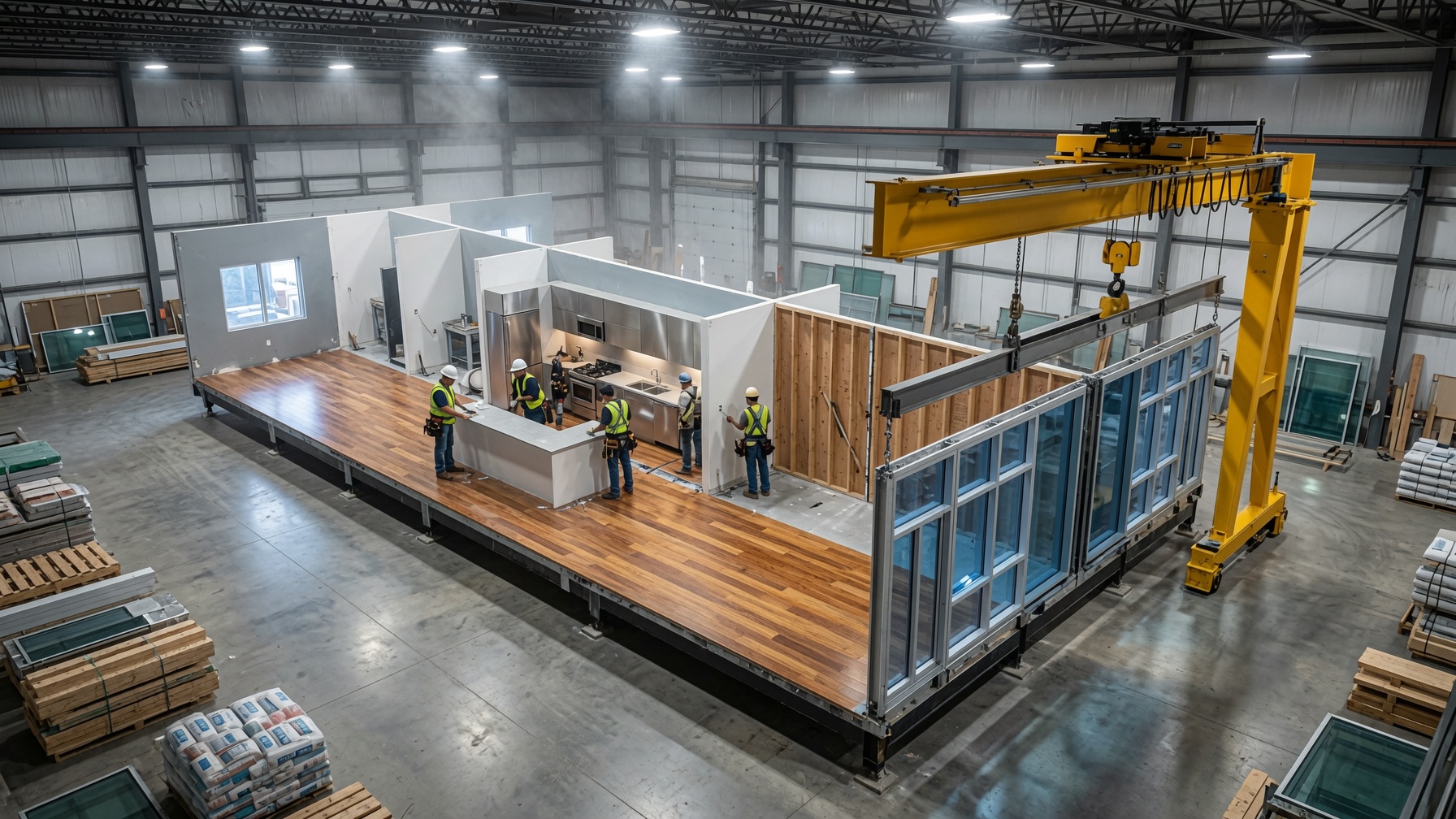
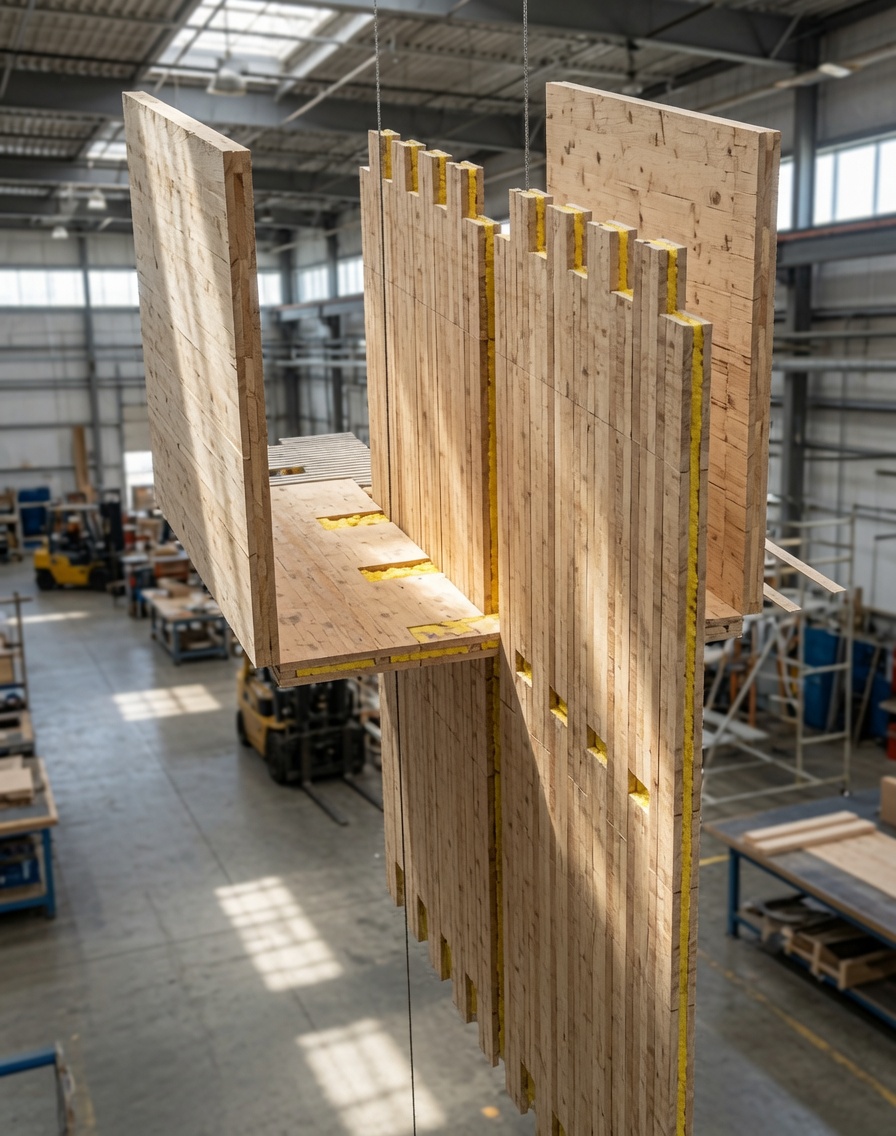
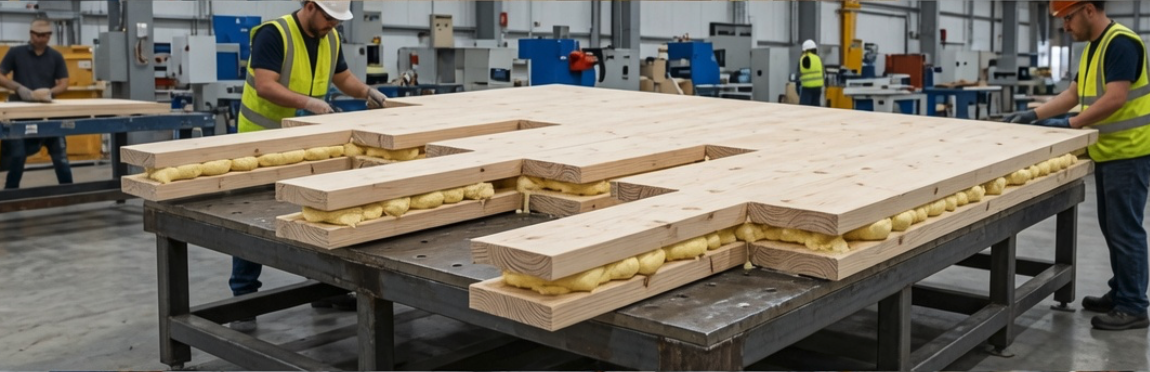
Modular home assembly inside a factory warehouse

The Kōmē System

The Kōmē System

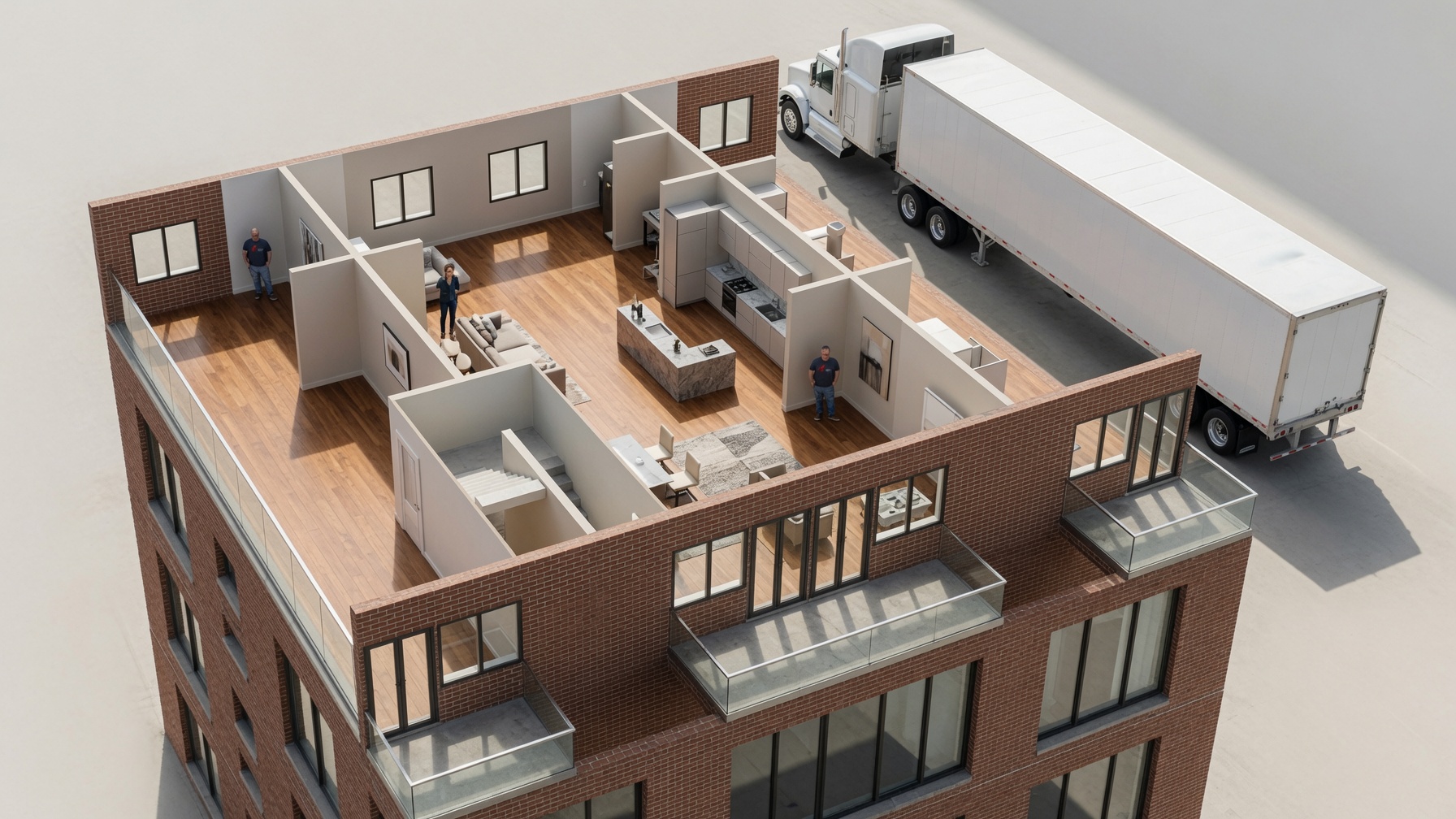
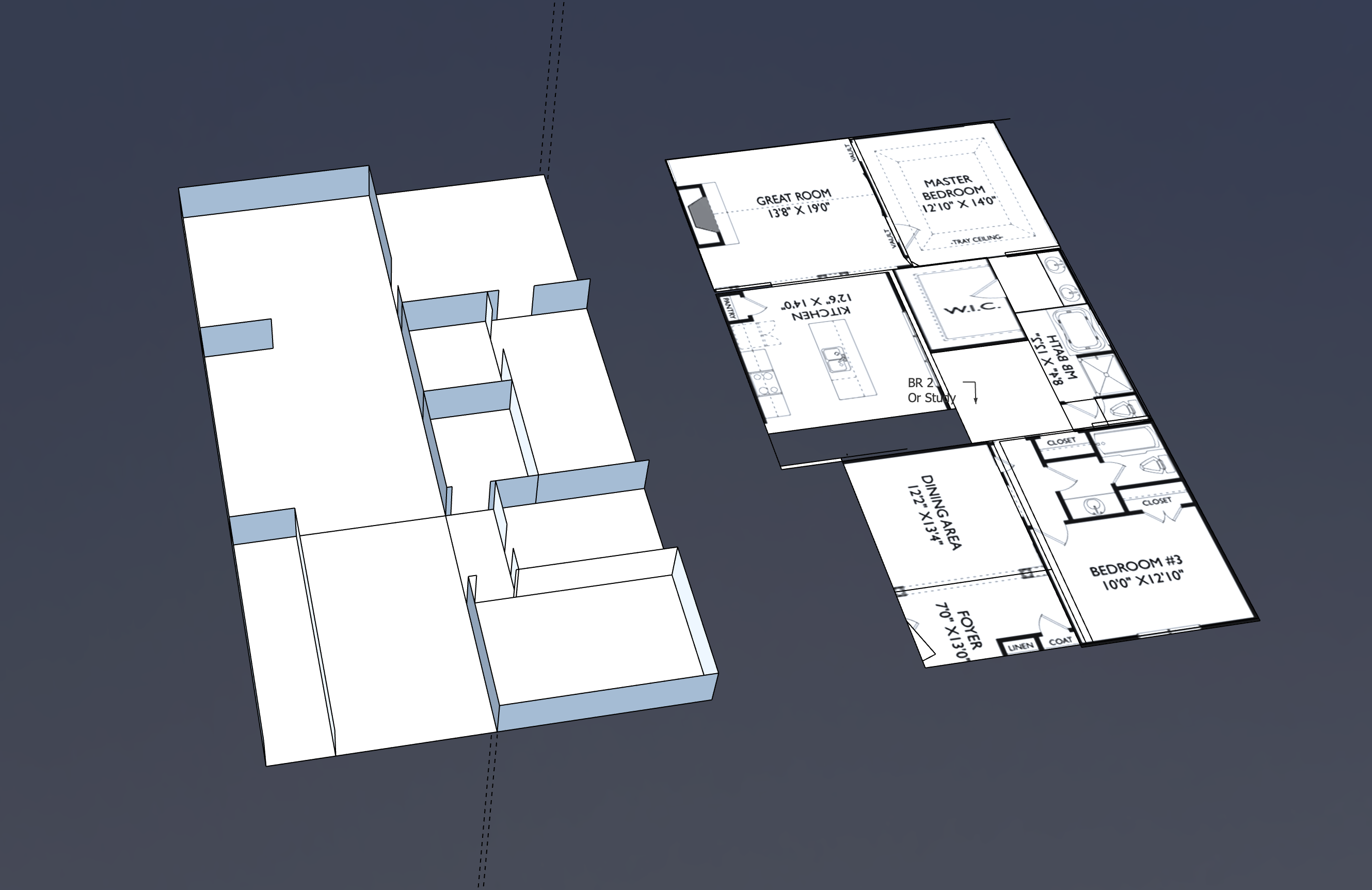
Each shipping module — approximately 10 ft wide × 10 ft tall × 50 ft long — fits standard 18-wheeler trailers. Built by Kōmē Manufacturing, it deploys on-site into a complete pair of mirrored living units.

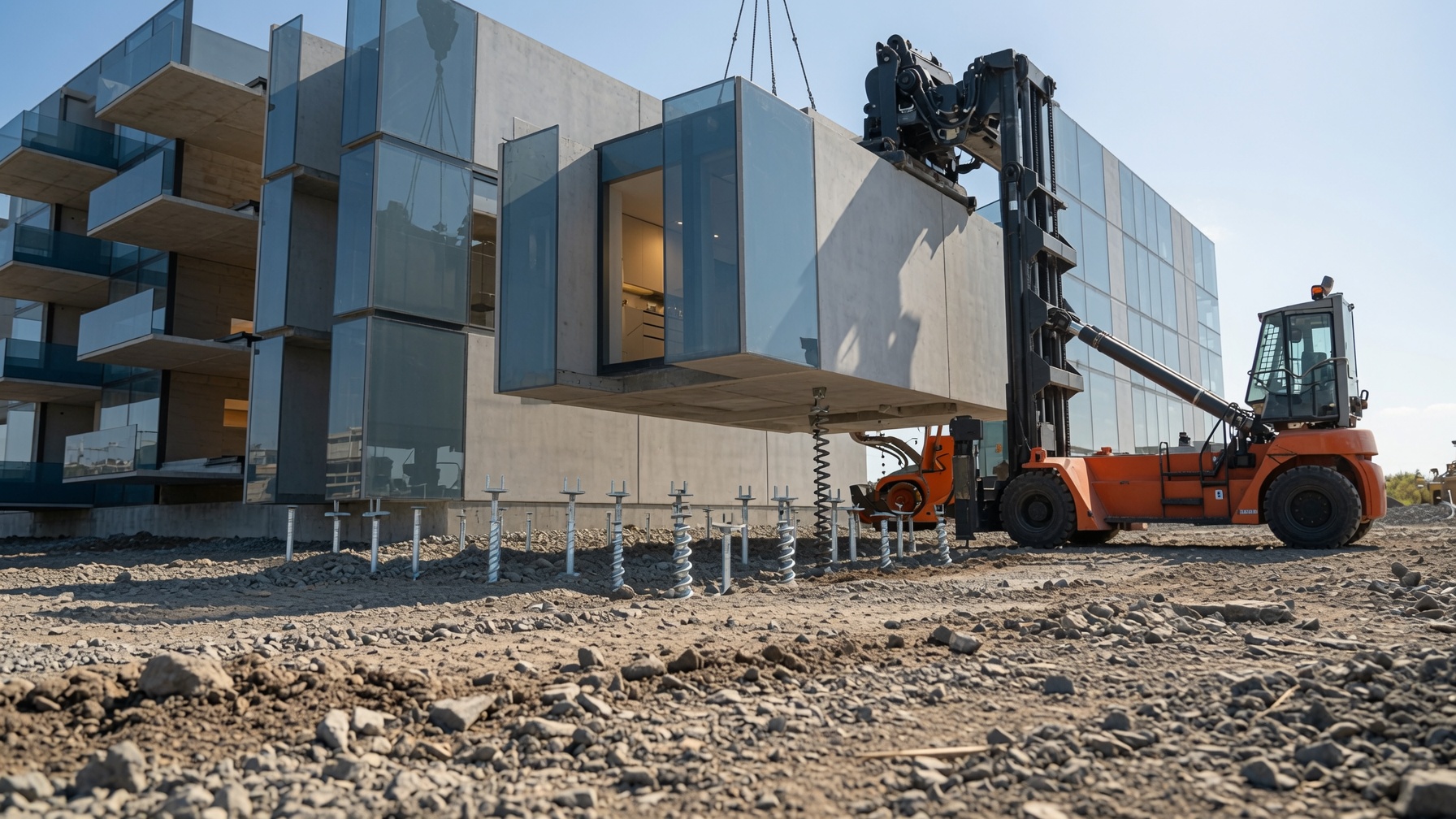
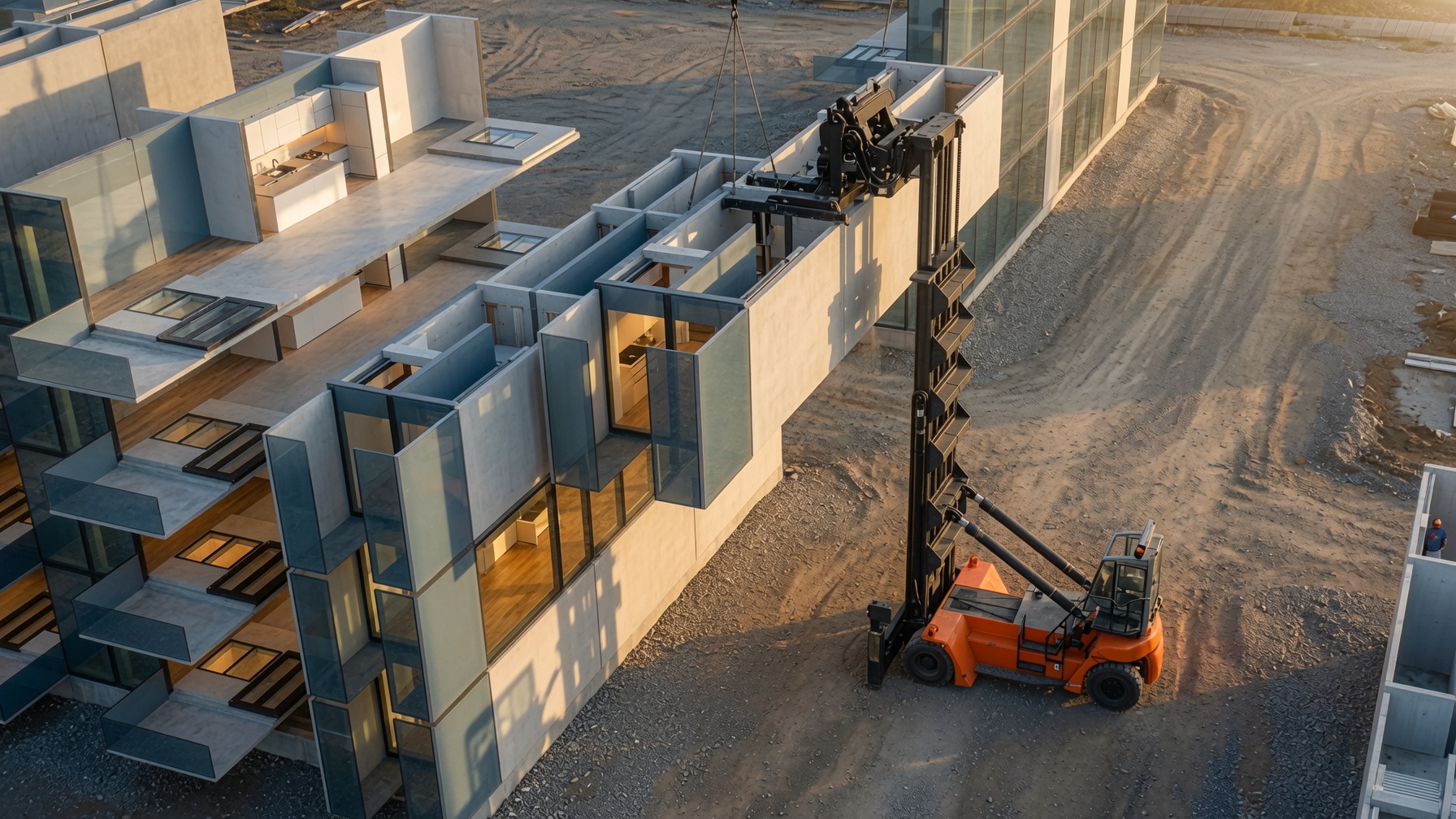
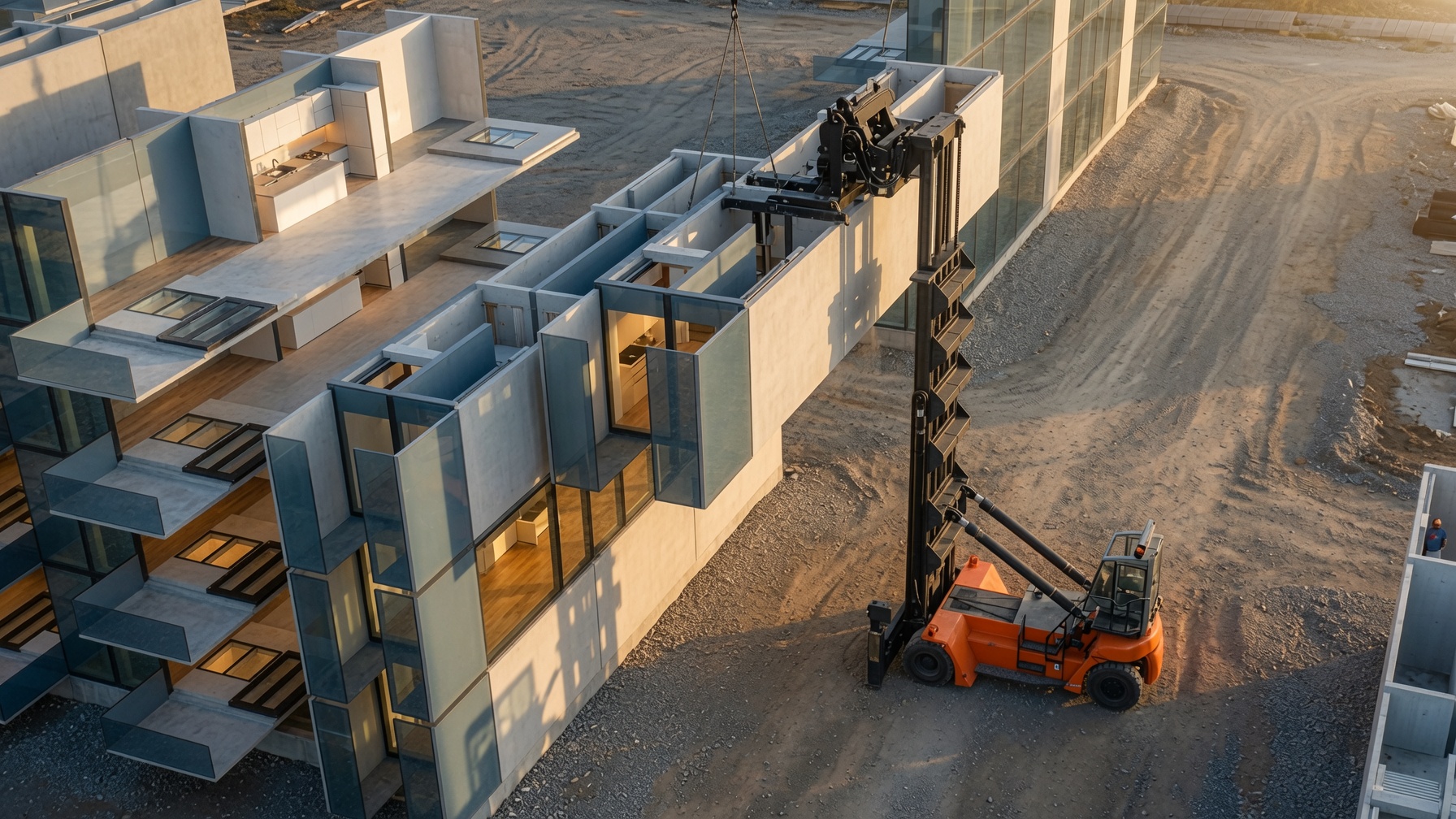
Modular units being lifted and stacked at a construction site
Core

MEP Core Demising Wall

A 10 ft wide central structural spine pre-installs all mechanical, electrical, plumbing, kitchen appliances, cabinets, showers, sinks, and high-value finishes in a controlled factory environment.

Structure

Folding Wings

Floors, interior and exterior walls, and ceilings hinge flat for transport, then deploy on-site. Structural surfaces use beautiful, durable wood finishes — stainable and hardenable.

Vertical

Transportation Core

Separate modules for stairs and elevators enable multi-story configurations without compromising deployment speed.

Timber

Mass Timber Structure

Cross-Laminated Timber (CLT) or Dowel Laminated Timber (DLT) per industry design guides — exposed wood for aesthetics, excellent spans, fire resistance, and carbon sequestration.

Foundation

Helical Mini-Pier System

Proprietary adjustable helical piers with rock ballast bridge poor soil and are easily retrofittable. Units can be relocated or abandoned cost-effectively when needed.

Technology

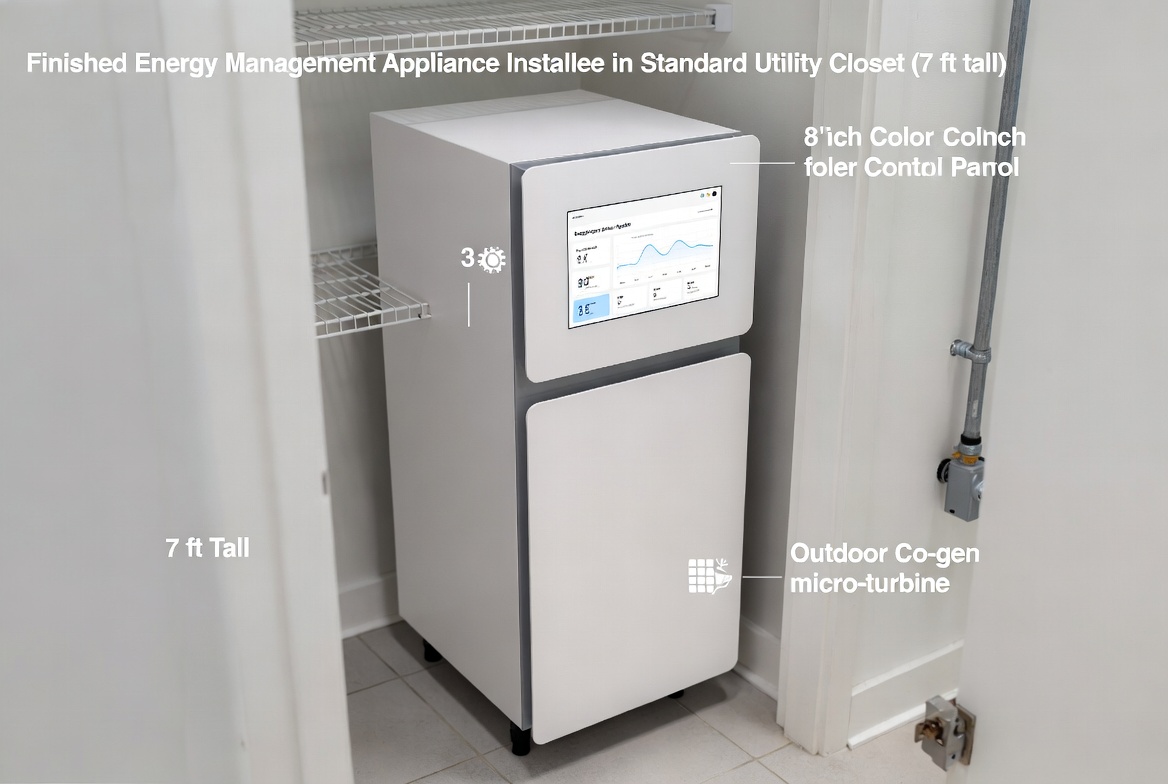
Integrated Energy Management Unit

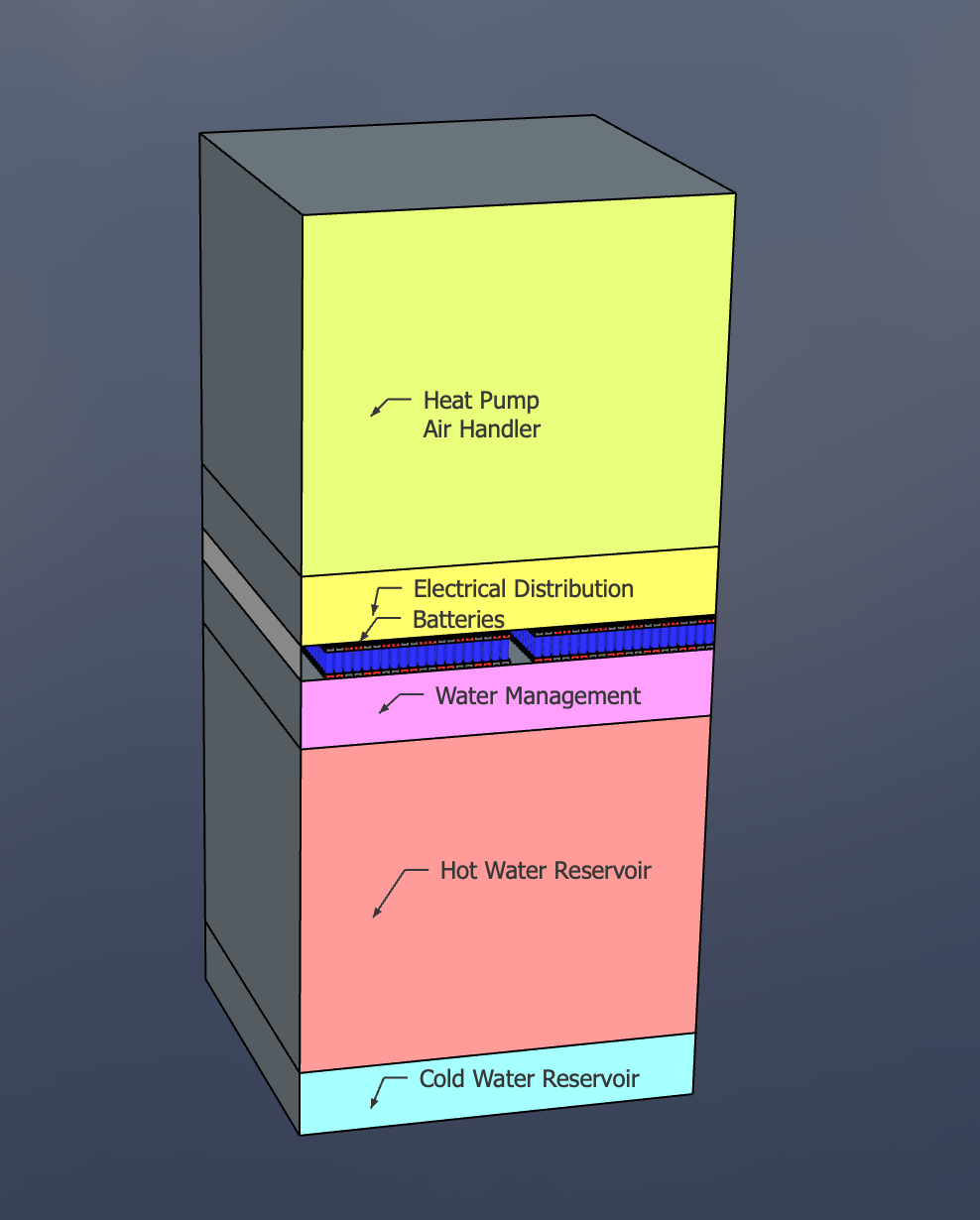
  • Proprietary refrigerator-sized Energy Management Appliance — designed and assembled in-house by Kōmē Manufacturing
  • Collapses 18+ fragmented HVAC, plumbing, electrical, and controls subsystems into one swappable rack
  • 3 kWh battery slab, roof-integrated solar, and intelligent load-shedding
  • Low-voltage networked smart lighting with motion detection
  • Smart fire protection with distributed sensors
  • Learn more about the Energy Management Unit →

Integrated energy management

The Energy Management Unit

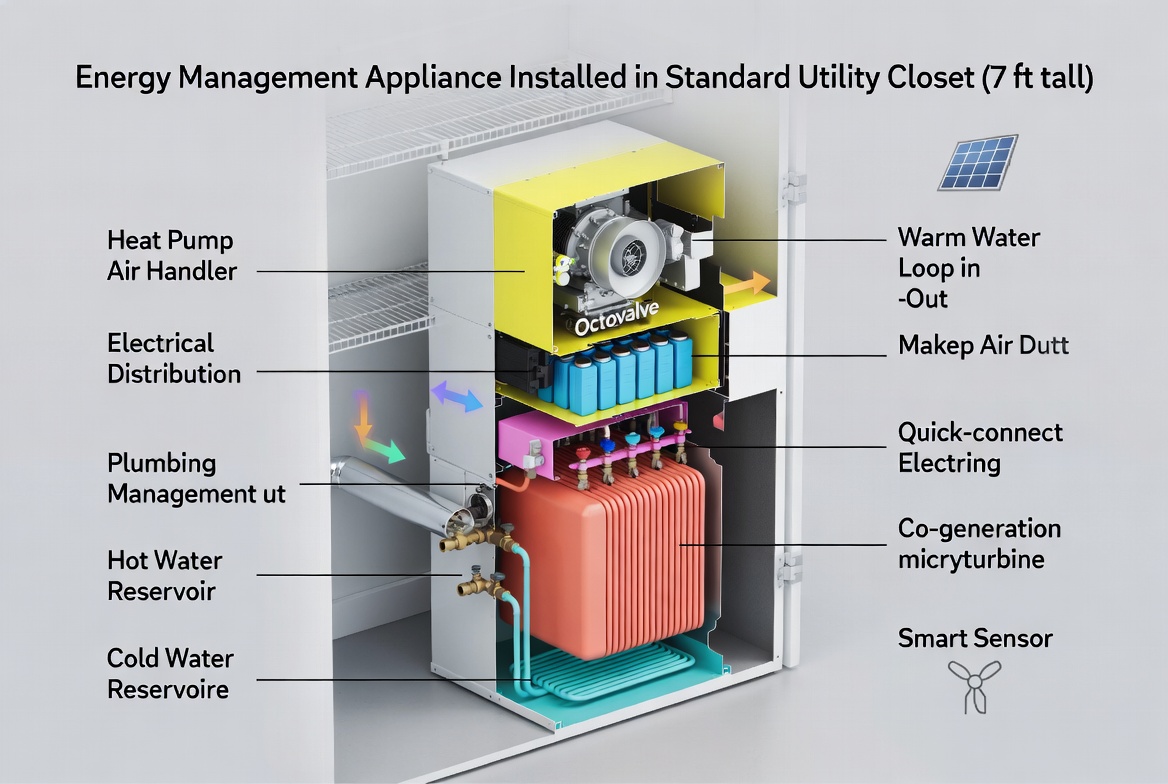
We didn't bolt better HVAC and electrical components onto a modular home. Kōmē Manufacturing engineers, prototypes, and mass-produces a fully proprietary Energy Management Appliance — a refrigerator-sized thermal-electrical hub that collapses 18+ fragmented subsystems into one elegant, swappable unit.

Exactly as consumer electronics integrated thousands of discrete parts into a single device and slashed costs while delivering flagship performance, we have done the same for residential energy infrastructure — at the scale and precision of factory manufacturing.

3 × 3 × 8 ft Rack-style appliance · 100% in-house designed, tooled, assembled, and tested
Kōmē integrated Energy Management Unit appliance

Energy Management Unit — add imagery to images/energy-management-unit.jpg

100% in-house vertical control

Every layer is conceived, detailed, tooled, assembled, and tested inside Kōmē Manufacturing — from CNC-machined quick-connect manifolds to custom thermoelectric stacks and firmware. Zero third-party margins, zero integration risk, and unmatched speed of iteration.

Server-rack serviceability

Each major module slides in and out on captive rails. A single technician can replace any component in under 15 minutes with only a screwdriver — no brazing, no refrigerant recovery, no trade coordination. MTTR measured in minutes, not days.

Every connection is smart

Power, domestic water, building-loop water, high-velocity air, makeup air, low-voltage control, fiber, Wi-Fi 6E, cellular, and Starlink terminate with integrated smart quick-connects — embedded sensors, solenoid valves, and redundant data links throughout.

Rack modules

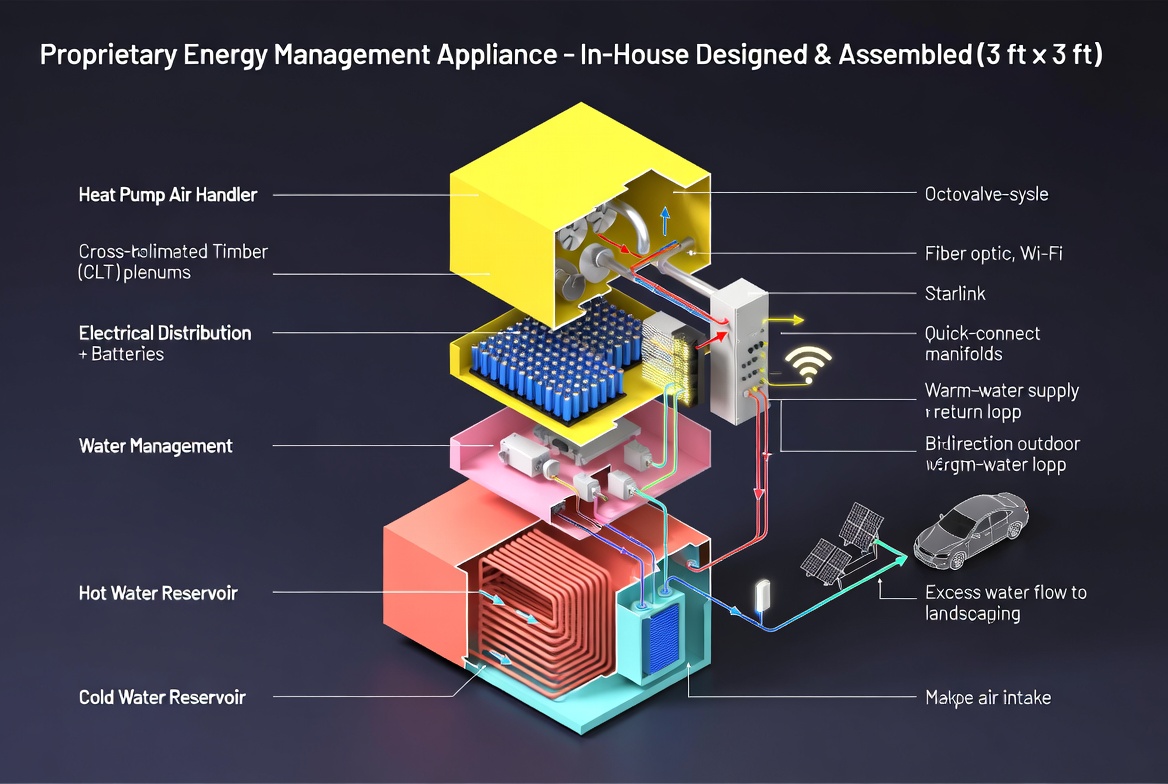
One appliance, seven swappable modules

  • 6″ cold-water reservoir
  • Water-management manifold — integrated sensors and valves
  • 1″ thin-film thermoelectric boost layer
  • 30″ insulated hot-water reservoir
  • 6″ 3 kWh lithium battery slab
  • 35″ high-velocity air handler — integrated plenum ports
  • Top-mounted smart electrical distribution panel
Exploded view of Energy Management Unit rack modules

Rack module imagery — add to images/energy-management-unit-rack.jpg

Thermal orchestration

Octovalve-inspired architecture at building scale

Our integrated appliance functions as the home's thermal routing hub — modeled on Tesla's Octovalve principles and extended across an entire multi-unit ecosystem.

Multi-loop heat recovery

Excess heat extracted while cooling a south-facing unit is routed via the building-wide warm-water loop to preheat hot water or warm north-facing units — simultaneous AC and domestic hot-water production from the same loads.

Thermal buffers & co-generation

30″ hot and 6″ cold reservoirs act as thermal buffers. An outdoor co-generation micro-turbine produces both electricity and hot water, intelligently dumping only unavoidable excess to landscaping irrigation.

Weather-adaptive modes

Micro-climate data and real-time demand across the building drive continuous optimization — free cooling in shoulder seasons, waste-heat recovery from every unit, and system-wide COP far exceeding traditional separate HVAC and water-heater setups.

Operating impact

Capital and OPEX compression that compounds

2× 200 A Services for a 30–40 unit building — no new transformers or substations
40–60% Lower utility OPEX per unit vs. market benchmarks
<15 min To swap any rack module in the field
3 kWh Battery slab + solar PV + intelligent load-shedding for outage resilience

The appliance is deeply integrated with our CLT structural core — a category-defining platform technology protected by trade secrets and pending patents on rack-style modularity, multi-loop thermal orchestration, and the smart quick-connect ecosystem.

Structural system

Hybrid mass timber, engineered for cost

Our vertically integrated manufacturing produces a proprietary hybrid Cross-Laminated Timber panel with an integrated foam sandwich core — combining CLT's bidirectional strength with a lightweight EPS/XPS interlayer for our 1,600 sq ft modular, relocatable units.

Exposed wood surfaces on interior and exterior faces preserve the warm, high-desirability aesthetic of mass timber. The foam core stays hidden, enabling stainable, hardenable wood finishes without compromising visual appeal — while improving insulation and lowering foundation demands alongside our auto-adjust helical piers.

Strength & performance

Maintains CLT's exceptional load-bearing capacity, stiffness, and two-way spanning — comparable to concrete but five times lighter. The sandwich configuration enhances bending resistance and ductility.

Low cost

In-house production using optimized lumber and foam cuts material and assembly costs versus purchased DLT/CLT or traditional builds. Self-production targets 30–50% savings with faster factory throughput.

Natural looks

Exposed wood on every visible face. Foam core remains encapsulated, allowing premium stainable and hardenable finishes without sacrificing the mass timber aesthetic.

Fire resistance

CLT's inherent charring behavior forms a protective insulating layer. Properly encapsulated foam cores support multi-hour performance alongside our smart fire systems.

Easy workability

CNC-machinable panels for precise factory cuts — MEP chases, openings, and wing hinges. Lightweight design simplifies on-site deployment, connections, and adjustments.

Component costs

Refined cost breakdown per 1,600 sq ft unit

Grand total target $45,000 installed (excludes land, internal labor profit, transport)

Structural mass timber

$16,000 – $20,000

Core, floors, wings, and walls. ~14,163 lbs total structural weight — floor ~3,672 lbs, core ~4,194 lbs, wings and end walls ~4,122+ lbs combined. At ~$575/MBF benchmark with in-house production, custom layups and integrated MEP chases reduce field labor and waste.

MEP core & integrated systems

$9,000 – $11,000

Pre-installed kitchen and bath, heat pump with battery and solar unit, low-voltage networked lighting, three-pipe water system, and quick-connects. Factory assembly with modular appliance integration keeps costs contained.

Finishes, windows, interiors & furniture

$8,000 – $10,000

Wood floors and ceilings, fixed high-performance windows, custom slipcover furniture, rugs, and insulation composites. Durable, low-maintenance design supports multi-turnover longevity.

Foundation (helical piers + ballast)

$3,000 – $5,000

Proprietary auto-adjust helical mini-pier system with rock ballast and screw-in installation. Highly scalable, retrofit-friendly, and relocatable for poor-soil fallback.

Contingency, solar, fire & smart systems

Balance to $45k

Miscellaneous systems and contingency allocation to reach the installed materials target. Per-unit material costs trend lower at scale through process optimization.

Self-manufacturing

Feasible per DowelLam and Mercer design guides — focus on structural properties, span tables, and fire performance. Start with hybrid DLT-style panels using local lumber and proprietary binding/insulation.

Weight & transport

~14,000 lbs fits standard 18-wheeler specs. Folding wings enable efficient shipping-to-site deployment without exceeding trailer weight limits.

Risk mitigants

Auto-adjust piers and relocatable design minimize site-specific exposure. Units can be moved, renegotiated, or abandoned cost-effectively when conditions change.

On-site assembly

Arrives finished. Deployed in place.

Units are shipped to site as self-contained trailers — complete with all final finishes, appliances, and furniture already in place. No months of on-site fit-out. No chasing subs. Move-in ready the moment the module is connected.

  • Self-contained trailers Each module travels on a standard 18-wheeler, fully enclosed and protected from the elements.
  • Turnkey interiors Kitchens, baths, fixtures, and furnishings are installed and tested in the factory before anything leaves the floor.
  • Reversible by design Disassembly is as easy as assembly — fold, disconnect, and relocate when sites or partnerships change.

Watch a Kōmē module deploy on site — from trailer to finished living unit.

Orange telehandler lifting a modular unit into a multi-story building

Deployment speed

Factory to keys in days

  1. Kōmē Manufacturing Stockpile modules while sites and permits are prepared.
  2. On-site deployment Connect quick-fit systems with minimal field labor. Days vs. months.
  3. Relocatable assets Strong negotiating power with landowners — relocate, renegotiate, or walk away.
  4. Scale without compromise Scalable to dozens or hundreds of units with vertical integration controlling quality and cost.

Business model

Perpetual ownership & vertical integration

We eliminate the sell-and-exit cycle. Kōmē manufactures, installs, furnishes, and manages every unit — from Kōmē Manufacturing through Kōmē Residences — continuously optimizing a portfolio of relocatable assets.

Full stack control

Kōmē Manufacturing → factory assembly → field installation → Kōmē Residences furnishing & management → data optimization loop.

Never sell

Units stay in portfolio. Lower replacement cost reduces insurance exposure. Property taxes are harder to assess without comps.

Land strategy

Separate REIT focused on acquisitions and ground leases. Lease-heavy approach preserves capital while leveraging relocatability.

Revenue & partnerships

High NOI from premium-yet-affordable rents. Community partnerships for workforce, teacher, and police housing.

Innovation flywheel

Operational data from managed assets informs next-generation designs — sensors in timber, smarter systems, better units.

Cost advantages

Dramatic labor and material savings from factory MEP and pre-finishes. Mass timber efficiencies. Lower total cost of ownership via solar, battery, durability, and relocation flexibility.

Sustainability & impact

Built for communities, built to last

  • Carbon-sequestering mass timber construction
  • Minimal grid draw with integrated solar and battery storage
  • Relocatable, reusable modules reduce construction waste
  • High-quality, desirable housing supports community stability

Market opportunity

Memphis, St. Louis & beyond

Strong demand for workforce housing, adaptive reuse complements, and scalable infill across Midwest and South urban areas. Positioned to expand beyond current multifamily assets and community operations.

Path forward

Pilot, scale, compound

01

High unit margins enable stockpiling and rapid scaling

02

Pilot: 10–20 units on controlled sites near existing assets

03

Proforma refinement using mass timber specs and component BOM

04

Seek partners and investors for factory capex, land REIT, and initial deployments

Team & vision

Led by Ethan Knight

DSG real estate developer with deep experience in historic redevelopment, multifamily operations, financing, and community impact in Memphis and St. Louis.

Combines hands-on property management, construction innovation, and long-term value creation — building not just housing, but a scalable, resilient, tech-forward asset class for the long term.

"Kōmē delivers not just housing — but a scalable, resilient, tech-forward asset class built for the long term."

Let's build the future of living

Contact Ethan Knight to discuss partnership, pilot sites, or investment. 3D renders, DLT design guides, component spreadsheets, and detailed technical specs available upon request.